

How to Get a Sourdough Starter + Feed, Activate & Maintain It
If you’re ready to start making sourdough bread, the first thing you’ll need is a healthy, active sourdough starter. And if you don’t already have one, don’t worry! There are several easy ways to get started.
You can make a sourdough starter from scratch, get some from a friend or neighbor, ask a local bakery, or purchase an established or dehydrated starter online.
When I first started my sourdough journey, I remember how complicated everything sounded. Feeding ratios, discard, activation, refrigeration and there were so many new terms! But once you understand the basics, maintaining a starter is actually pretty simple.
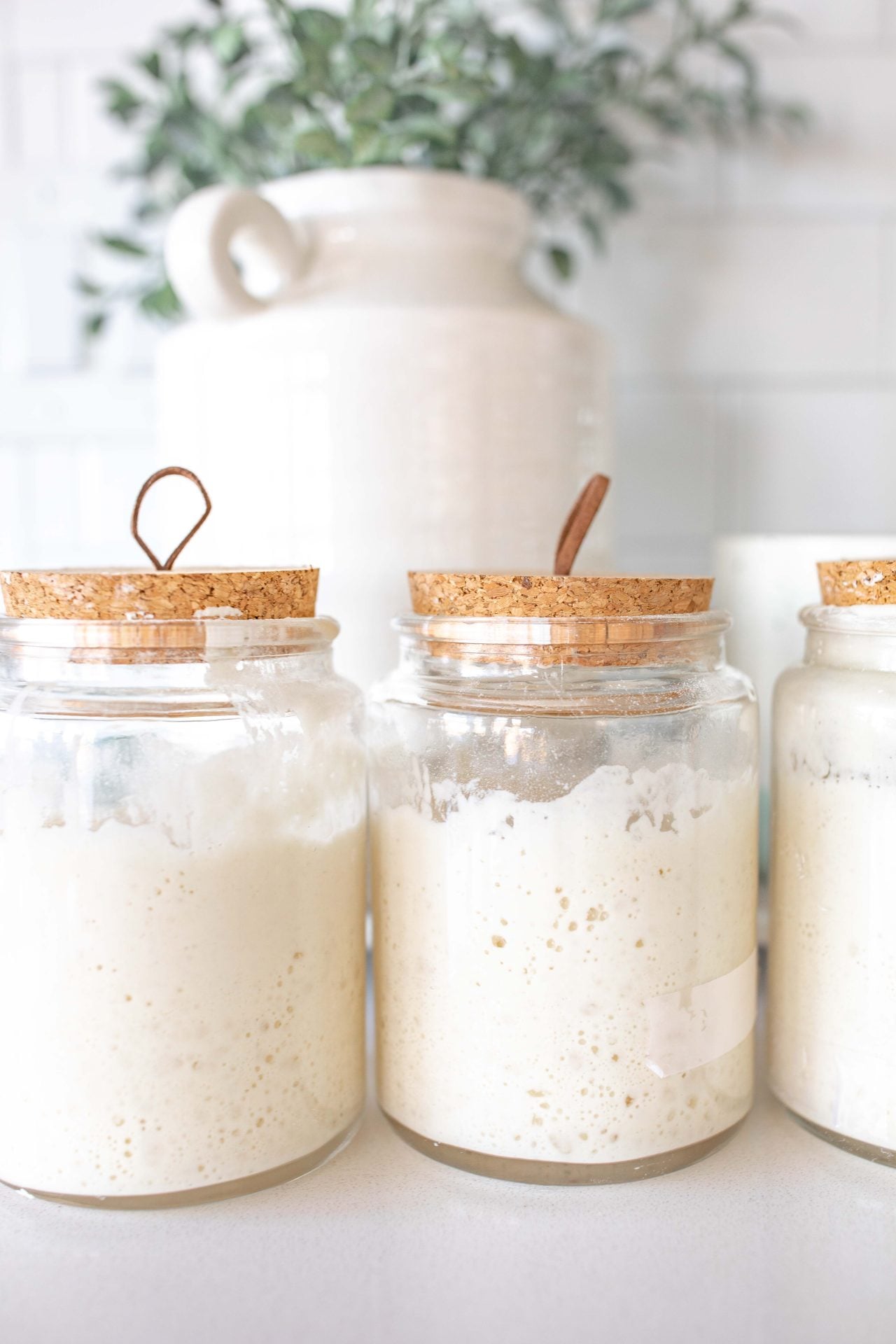
In this guide, I’ll walk you through where to get a sourdough starter, how to activate and feed it, how to know when it’s ready to bake with, where to store it, what to do with discard, and how to troubleshoot common starter problems.
And once your starter is active and bubbly, you can use it to make my Easy Sourdough Bread Recipe for Beginners.
WATCH VIDEO BELOW
Where Can I Get a Sourdough Starter?
There are several ways to get started:
Ask a friend or neighbor. Sourdough bakers often have plenty of starter to share. I’ve given mine to friends and neighbors many times!
Ask a local bakery. Some bakeries will sell or share a portion of their established starter.
Purchase a sourdough starter online. You can purchase an established or dehydrated sourdough starter and activate it at home.
Make one from scratch. You can also create your own starter using flour and water, although establishing a brand-new starter takes more time and patience.
Many friends and neighbors have asked for some of my sourdough starter over the years, and I’m always happy to share! Sometimes I give it to them freshly fed and active, and other times I give it to them straight from the refrigerator. If you receive an established starter from someone, getting it active and ready for baking is pretty simple.
But not everyone has a sourdough-baking friend or local bakery nearby. Another option is to purchase a dehydrated sourdough starter online and activate it at home. That’s the process I’m going to walk you through below.
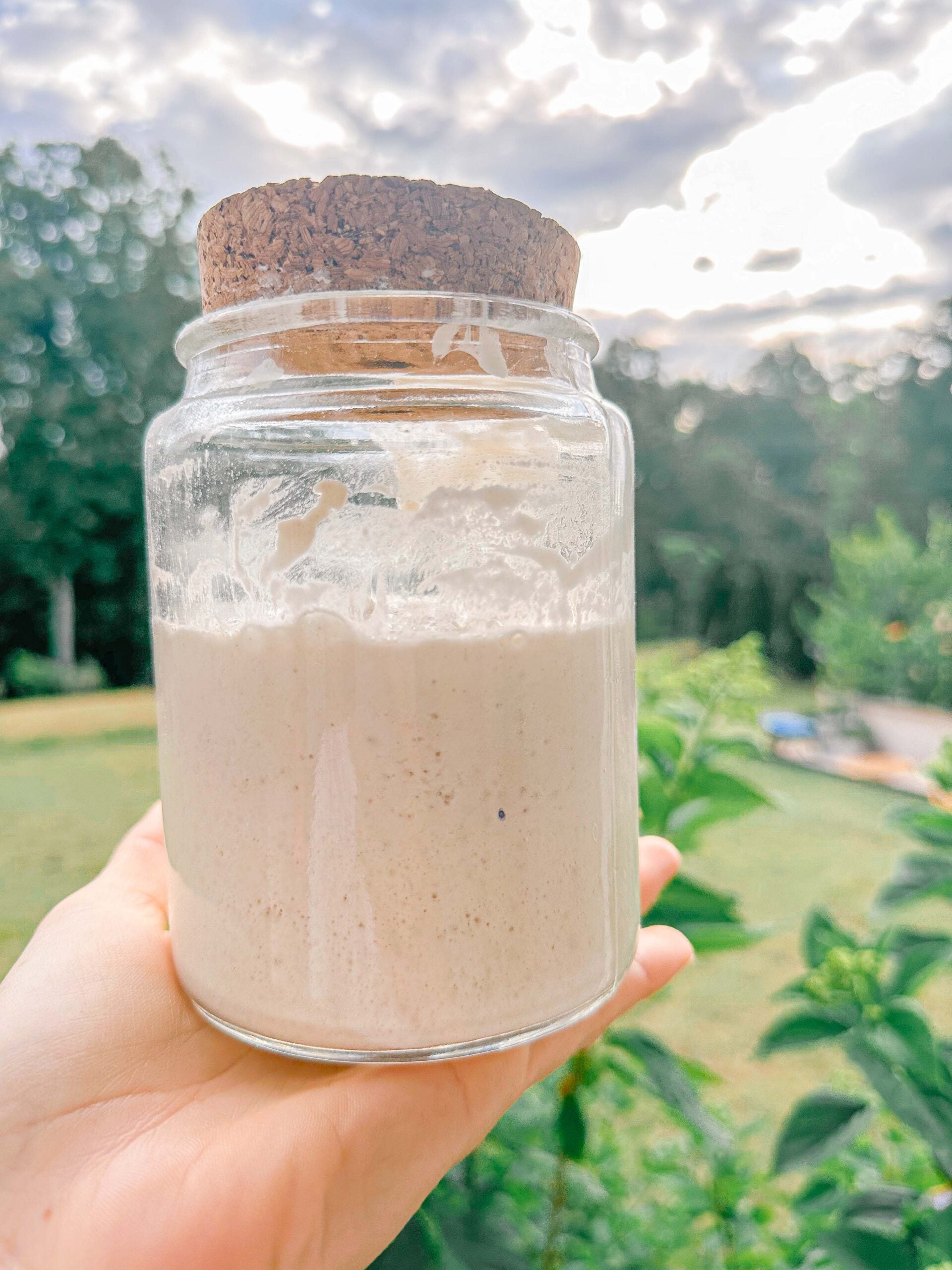
How to Activate a Dehydrated Sourdough Starter
If you don’t have a friend, neighbor, or local bakery with starter to share, purchasing a dehydrated sourdough starter online is an easy way to get started.
I purchased the KneadAce sourdough starter culture from Amazon and activated it at home. The entire process took a few days, but once the starter was active and healthy, I could maintain it just like any other established sourdough starter.
Important: The exact activation instructions can vary depending on the dehydrated starter you purchase, so always follow the instructions included with your specific starter. Below is the process I used with mine.
Day One: Begin Activating Your Starter
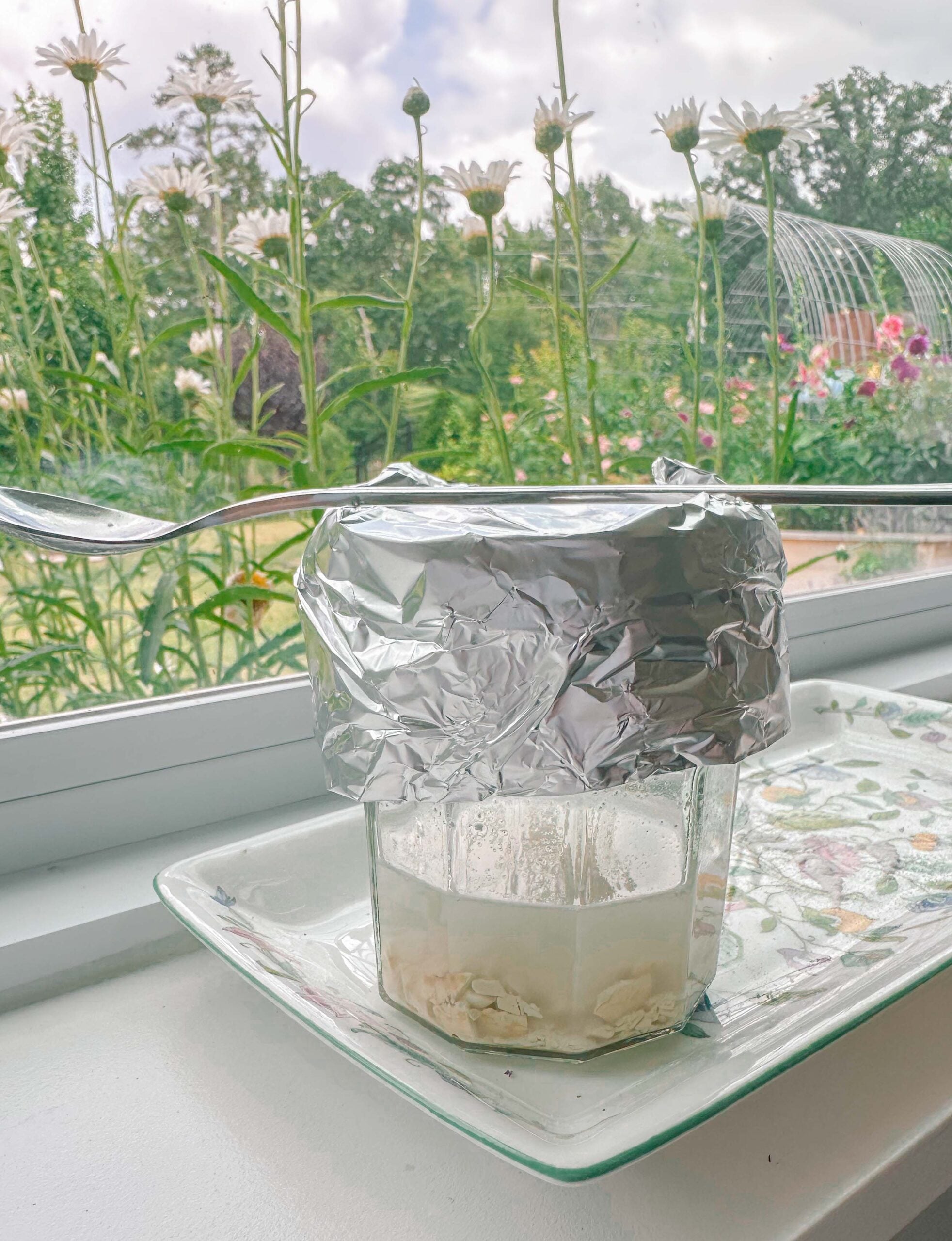
I mixed the packet of dehydrated sourdough starter with 3 ounces of lukewarm filtered water (around 70°F). I stirred the mixture every 30–45 minutes for about three hours while the dried starter rehydrated.
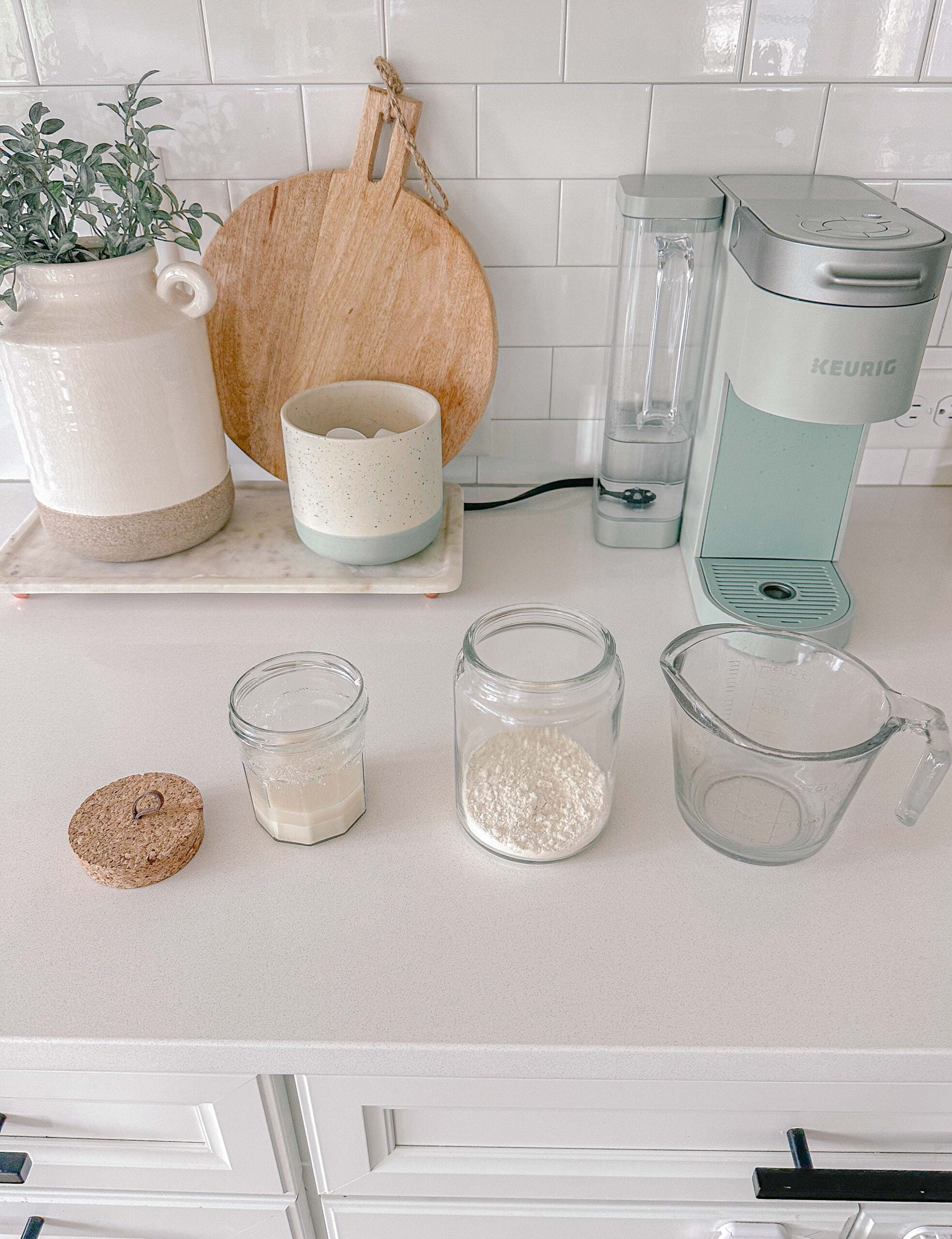
Next, I added 3 ounces of lukewarm filtered water and 3 ounces of all-purpose flour to a clean jar. I poured in the rehydrated starter mixture and stirred everything together well.
I covered the jar and let it sit at room temperature for 12–24 hours. I did this step in the evening so my starter could sit overnight.
Day Two: Feed Your Starter
By the next morning, I started seeing small bubbles forming in the starter.
I added another 3 ounces of lukewarm filtered water and 3 ounces of all-purpose flour, stirred everything together, and let the starter sit at room temperature for another 8–12 hours.
Then I removed 6 ounces of starter from the jar and discarded it. I added 3 ounces of filtered lukewarm water and 3 ounces of all-purpose flour to the remaining starter and mixed well.
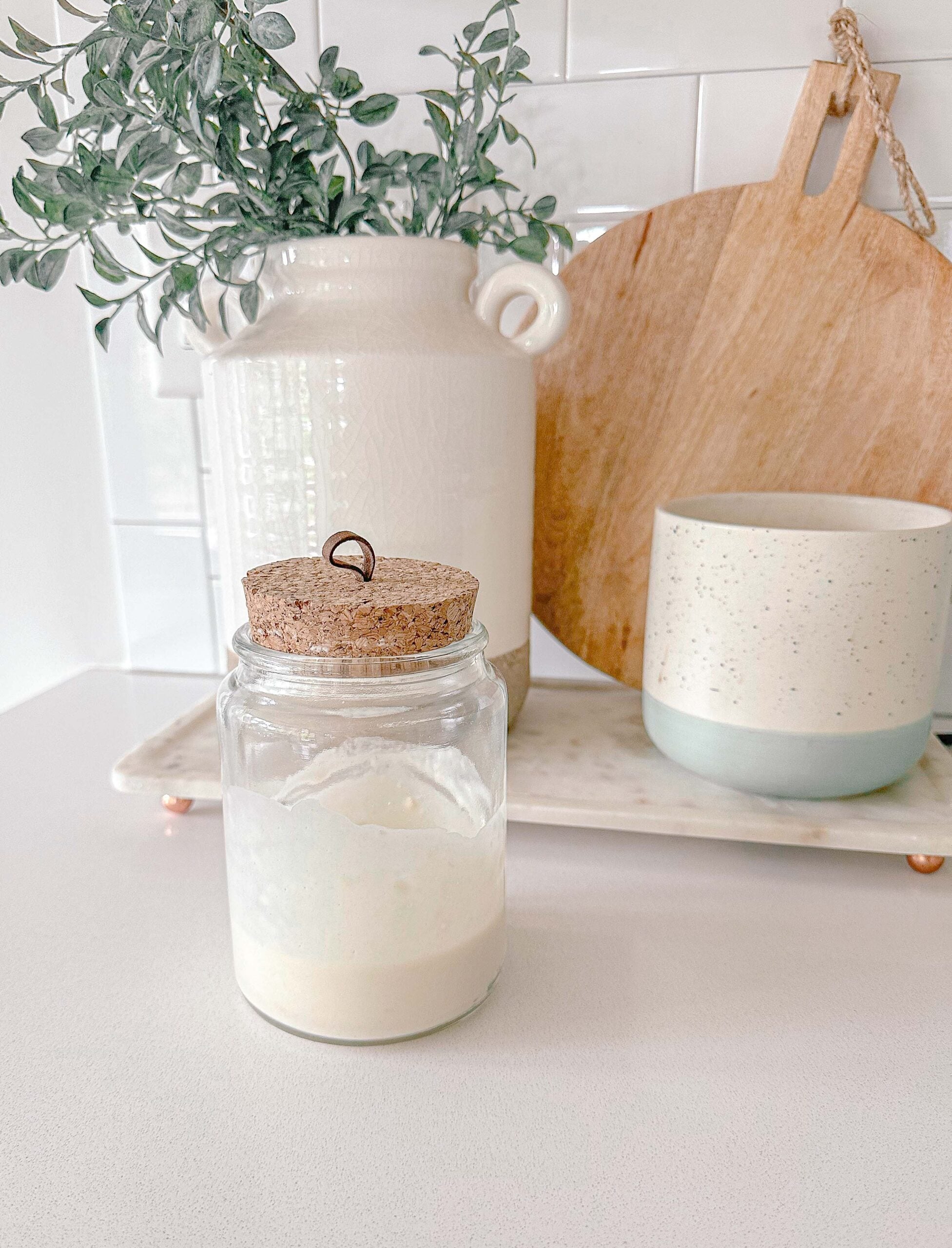
I scraped down the sides of the jar and marked the starter’s level on the outside of the jar so I could easily see how much it grew. Then I left it at room temperature overnight for another 8–10 hours.

Day Three: Check Your Starter
By day three, my starter had risen and approximately doubled in size, which meant I was ready to start baking!
If yours hasn’t doubled yet, don’t panic. When I did this process, the next step was to repeat the previous feeding and give the starter additional time to become active.
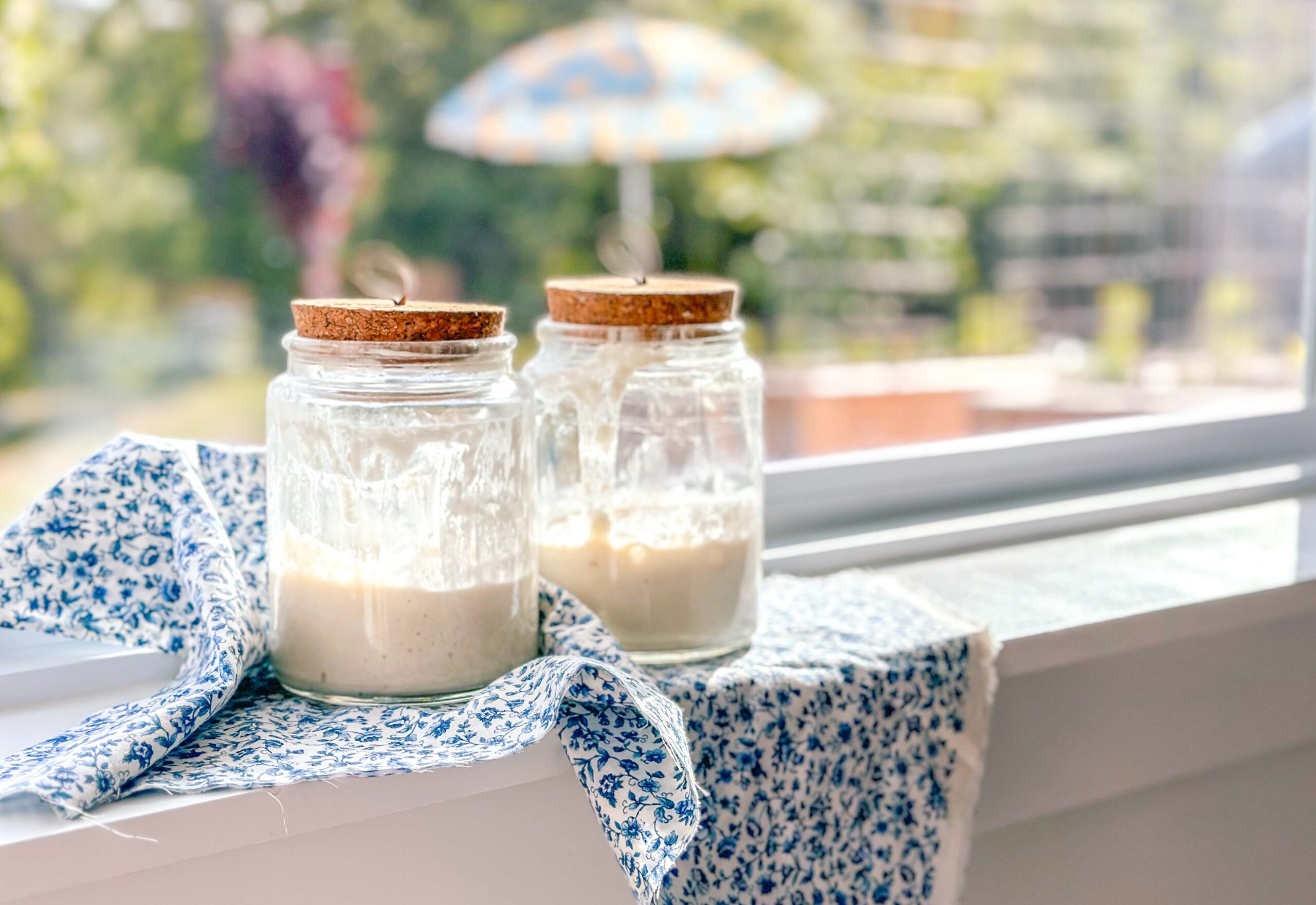
How to Feed a Sourdough Starter
Once your sourdough starter is established, feeding it is much simpler than the initial activation process. Feeding simply means giving your starter fresh flour and water so the natural yeast and bacteria have fresh food to keep the starter active.
For a basic feeding, I often use:
- ¼ cup active sourdough starter
- ¼ cup room-temperature filtered water
- ¼ cup all-purpose flour
Stir everything together in a clean jar, mark the level of your starter with a rubber band or piece of tape, and place it in a warm area of your kitchen. As it becomes active, you’ll start to see bubbles forming and the starter rising in the jar.
My starter typically takes around 6–12 hours to become active after feeding, depending on the temperature of my kitchen and how recently it was fed. Instead of watching the clock too closely, I look for the starter to noticeably rise, become bubbly and airy, and ideally double in size.
Don’t Overcomplicate Your Sourdough Starter
When I first started making sourdough, I felt like there were so many rules. You can’t use this spoon, you have to feed it at exactly this time, you have to measure everything perfectly and it can make sourdough feel much more intimidating than it needs to be.
Over time, I’ve learned that sourdough starter is actually pretty forgiving. I don’t obsess over making every feeding perfectly precise, and my starter continues to make beautiful loaves of bread.
If you’re new to sourdough, my biggest advice is to pay attention to your starter instead of trying to follow every rule perfectly. You’ll quickly learn what an active, happy starter looks like in your own kitchen.

Where Should I Store My Sourdough Starter?
Where you store your sourdough starter depends mostly on how often you plan to bake.
If You Bake Frequently: Store It on the Counter
If you plan to bake every day or two, you can keep your starter on the countertop. A starter kept at room temperature stays much more active, so you’ll need to feed it regularly.
I like to keep mine somewhere comfortably warm in the kitchen and watch its activity rather than relying only on the clock.
If You Bake Occasionally: Store It in the Refrigerator
If you’re not planning to bake for several days or a week, store your starter in the refrigerator. The colder temperature slows fermentation, so you don’t have to feed it nearly as frequently.
I always feed my starter before sending it to “refrigerator jail.” 😂
When I’m not baking regularly, I typically feed my refrigerated starter about every 7–12 days. I don’t make a huge amount when I’m simply maintaining it and a small amount of starter, flour, and water is plenty.
What If I’m Going on Vacation?
Don’t stress about your sourdough starter while you’re away! If I’m going on vacation, I feed my starter and put it in the refrigerator before I leave.
When I’m ready to bake again, I take it out, feed it, and give it time to become active and bubbly again.
How to Reactivate a Sourdough Starter From the Refrigerator
If your sourdough starter has been hanging out in refrigerator jail for a week or two, don’t worry! It may look sleepy when you first take it out, but you can feed it and give it time to become active again before baking.
When I’m ready to bake, I take my starter out of the refrigerator and feed it with fresh all-purpose flour and room-temperature filtered water. Then I mark the level of the starter with a rubber band or piece of tape and place it in a warm spot in my kitchen.
I usually give it about 5–12 hours to become active, depending on how long it has been refrigerated and the temperature of my kitchen.
If I know I want to make sourdough dough in the morning, I’ll often take my starter out and feed it the night before. By morning, I can check whether it’s active and ready to use.
More Sourdough Recipes You’ll Love
Once your sourdough starter is active and bubbly, the fun part begins, baking with it! Here are some of my favorite sourdough recipes to make with an established starter:
- The Best Golden Sourdough Bread Recipe | Easy for Beginners
- Pull Apart Sourdough Dinner Rolls: Easiest Overnight Recipe
- The Best Sourdough Cinnamon Rolls: Easy Overnight Recipe
- Easy Sourdough Bagel Recipe (Soft & Chewy)
- Homemade Sourdough Pizza Crust Recipe: Easy and Delicious
- Jalapeño Pepperjack Sourdough Bread with Hot Jalapeño Honey Dip
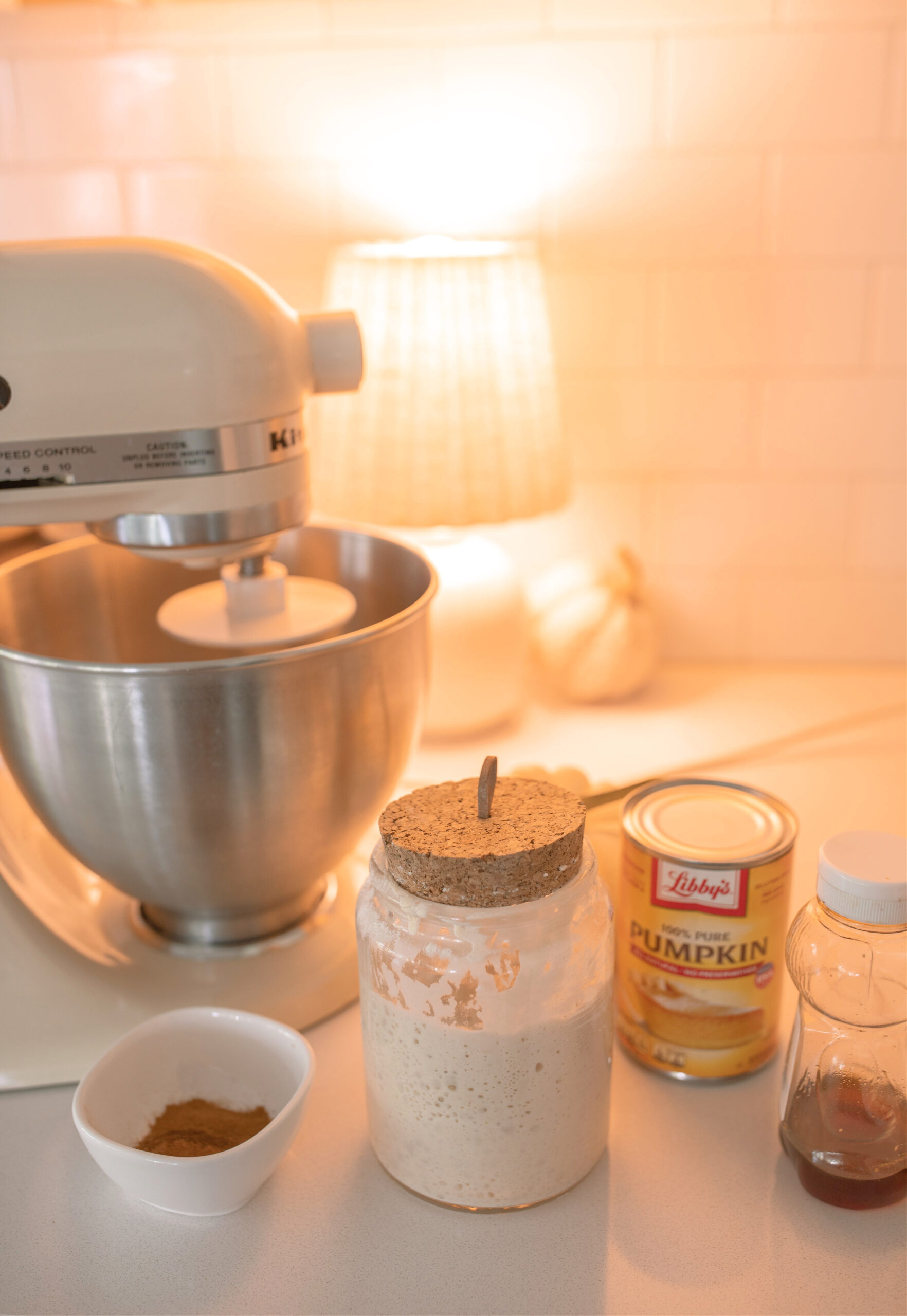
How Do I Know When My Sourdough Starter Is Ready to Bake With?
Instead of relying only on the clock, look at your starter. Mine is usually ready when:
- It has noticeably risen and ideally doubled in size.
- There are lots of visible bubbles throughout the jar.
- The texture looks light, airy, and sponge-like.
- It has a pleasantly tangy, fermented smell.
I like marking the jar right after feeding because it makes it SO much easier to see how much the starter has grown.
What Flour and Water Do I Use to Feed My Sourdough Starter?
You don’t need anything complicated to feed a sourdough starter. I keep mine simple and use:
- Organic all-purpose flour
- Room-temperature filtered or purified water
- A portion of my existing sourdough starter
I’ve had great results using all-purpose flour for regular feedings, so that’s what I continue to use.
For the water, I use filtered or purified water at room temperature. I don’t worry about getting the temperature exactly right for everyday feedings, I just avoid using water that’s very hot or very cold.
And that’s it! Once you have an established starter, maintaining it really does come down to starter + flour + water.

Can I Make My Sourdough Starter Less Sour?
I’ve noticed that when I feed my starter a larger amount of fresh flour and water compared with the amount of starter I’m keeping, the flavor can be milder.
For example, instead of my usual equal-parts feeding, I sometimes use a smaller amount of starter with more fresh flour and water when I’m preparing to bake.
What Is Sourdough Discard?
Sourdough discard is simply the portion of starter you remove before feeding your remaining starter with fresh flour and water. Removing some starter keeps the amount in your jar manageable and prevents you from needing to add larger and larger amounts of flour and water every time you feed it.
And despite the name, you don’t always have to throw your discard away!
I love saving sourdough discard and using it in other recipes. It’s an easy way to use what would otherwise go to waste and it gives me an excuse to make even more sourdough recipes.
What Can I Make With Sourdough Discard?
Some of my favorite ways to use sourdough discard include:
- Pancakes
- Chocolate chip cookies
- Muffins
- Quiche
- Pizza crust and other baked recipes

Troubleshooting Your Sourdough Starter
Starter acting strange? Don’t panic. A sluggish, hungry, or overly sour starter is usually fixable with a few adjustments.
My Starter Isn’t Bubbling or Rising
If your starter isn’t very active, your kitchen may be too cool or it may simply need more time.
Try moving it to a warmer spot in your kitchen and continue feeding it consistently. A warmer environment can help fermentation move along more quickly.
My Starter Smells Like Acetone or Nail Polish Remover
A sharp acetone-like smell can be a sign that your starter is hungry.
Try feeding it more frequently, especially if your kitchen is warm and your starter is fermenting quickly.
There’s Liquid on Top of My Starter
You may notice a layer of liquid, often called hooch, forming on top of a hungry starter.
When this happens, feed your starter. If it consistently becomes very thin, you may also want to adjust your feeding so the starter has a slightly thicker consistency.
My Starter Still Has No Bubbles After Several Days
Some starters simply need more time to become established.
Continue feeding it consistently, use fresh flour, and use filtered or purified water. Your original post notes that some starters may take 7–14 days to become fully active. Pasted text
My Starter Has Mold or Pink/Orange Coloring
If you see visible mold or unusual pink or orange coloring, discard the starter and start over.
Your existing post already gives that recommendation, and I would keep it. Pasted text
My Starter Is Too Sour
If your starter smells or tastes much more sour than you prefer, it may need more frequent feeding.
Feeding it more consistently can help reduce the buildup of acids and create a milder starter.
My Starter Looks Dormant After Feeding
Give it time before assuming something is wrong. Starter activity depends on the temperature of your kitchen, the strength of your starter, and your feeding routine.
Room-temperature water and a comfortably warm environment can help encourage activity.
My Favorite Beginner Reminder
Sourdough starter is a living culture, so it won’t behave exactly the same every single day. Temperature, feeding frequency, and how long it has been refrigerated can all change how quickly it becomes active.
The more you work with your starter, the easier it becomes to recognize what is normal for your starter.

Sourdough Starter FAQs
How often should I feed my sourdough starter?
It depends on where you store it and how often you bake. If I keep my starter on the counter, I feed it regularly because it ferments much faster at room temperature. When I keep it in the refrigerator, I typically feed it about every 7–12 days.
How do I know when my sourdough starter is ready to use?
I look for a starter that has noticeably risen, ideally doubled in size, and has lots of visible bubbles throughout. It should look light, airy, and active. Marking the level of your starter with a rubber band or piece of tape after feeding makes it easy to track its growth.
Can I keep sourdough starter in the refrigerator?
Yes! This is how I store mine when I’m not baking regularly. Refrigeration slows fermentation, which means you don’t have to feed your starter as frequently. Your original routine is to feed it before putting it into the refrigerator. Pasted text
What is the liquid on top of my sourdough starter?
That liquid is commonly called hooch and can appear when your starter is hungry. When I notice it, it’s a good reminder that it’s time for a feeding.
What should sourdough starter smell like?
An active starter should have a fermented, tangy smell. If yours develops a strong acetone or nail-polish-remover smell, it may be hungry and ready for a feeding.
Can I use sourdough starter straight from the refrigerator?
For my bread recipes, I prefer to feed my refrigerated starter and let it become active and bubbly before using it. I usually feed it the night before if I want to make my dough in the morning.
How long does it take a sourdough starter to become active after feeding?
Mine typically takes around 6–12 hours, although it can vary depending on the temperature of my kitchen and how active the starter was before feeding. Your existing post describes the same 6–12-hour window and recommends watching for growth and bubbles rather than just the clock. Pasted text
Can sourdough starter go bad?
If I see visible mold or unusual pink or orange coloring, I discard the starter rather than trying to revive it. Your original troubleshooting section already makes this distinction.

Ready to Start Your Sourdough Journey?
I hope this guide makes taking care of your sourdough starter feel a little less intimidating! There can be a lot of information to learn when you’re first getting started, but the more you work with your starter, the easier it becomes to understand what it needs.
Before long, feeding your starter will just become part of your routine and there’s nothing better than watching it bubble and rise knowing a fresh loaf of sourdough is coming next!
If you have any sourdough starter questions, leave them in the comments below. And if you’re ready to start baking, head over to my Easy Sourdough Bread Recipe for Beginners next.


My husband loves wheat sourdough. Can you recommend a good quality wheat flour? Thank you.
I’ve never used a wheat flour other than Bob’s Red Mill! But if you have a local health food store, I bet you can find some!
I stumbled across someone making their own starter on Instagram and immediately remembered your stories from a while ago telling us about your sourdough journey. I knew I had to read up on your blog post and now I am eager to start my own sourdough from scratch. It’s kind of exciting 😀
I am a beginner I mean I made bread in a bread machine before I did anything by hand and I believe everyone should do it with your hands a few times to learn what it’s really all about!! I just started doing this in the beginning of August and it’s only mid October!! I am now put the bread machine aside and learn how to do it totally by hand!! I have watched hrs. upon hrs of homemade bread maken most of them different from the last!! I am going to make flat bread right now but going to make sourdough starter tonight as well I want to make cinnamon rolls out of my sourdough dough when it is time!! had several comments on how to start a sourdough starter but if anyone has any suggestions for me let me here it I am going to try and do it all I did a big pot of checking and noodles for first time and my older sister and mom which as made them for years and she said mine where awesome!! so going to take it to a higher level
I do not see instructions anywhere on how to make a starter although you do mention on several pages. What I do see are several links to purchase a starter. Did I miss the instructions?
Thank you
You have to purchase dehydrated starter, and then when you go down to my DAY ONE section, I explain how to activate it. It’s a blog post on an easy way to get sourdough starter because making it can take weeks.
I had the same question. Would rather take the time and make my own. But I am looking forward to trying the recipes on this site. Your breads look beautiful.
Thank you for this! I just made your sourdough bread recipe and it was so good, but I killed my starter my friend gave me! I will try this one next!
Thank you in advance but what size container do I use? I bought the starter that you recommended but not what size container to use.